Phius Certified Consultant (CPHC®)
Phius
CPHCs lead passive building design for energy efficiency
Over 2,000+ professionals hold this certification worldwide.
Key Strengths
- Recognized credential for passive building expertise across climate zones
- Covers energy modeling, enclosure design, mechanical systems, and air-tightness
- Enables professionals to lead Phius-certified projects from design through construction
- Adopted by 10+ universities, reflecting strong academic credibility
- Active community of 1,700+ certified consultants worldwide
- Directly tied to project certification pathway, creating real market demand
Ideal For
This certification is ideal for architects, engineers, and sustainable design professionals who want to specialize in passive building design and lead Phius-certified projects. It suits those with a background in building science who want to differentiate their practice by offering high-performance, energy-efficient design services across residential and commercial sectors.
Target Audiences
Relevant Roles
Industries
Alignment & Recognition
Accrediting Body
Scope
Overview
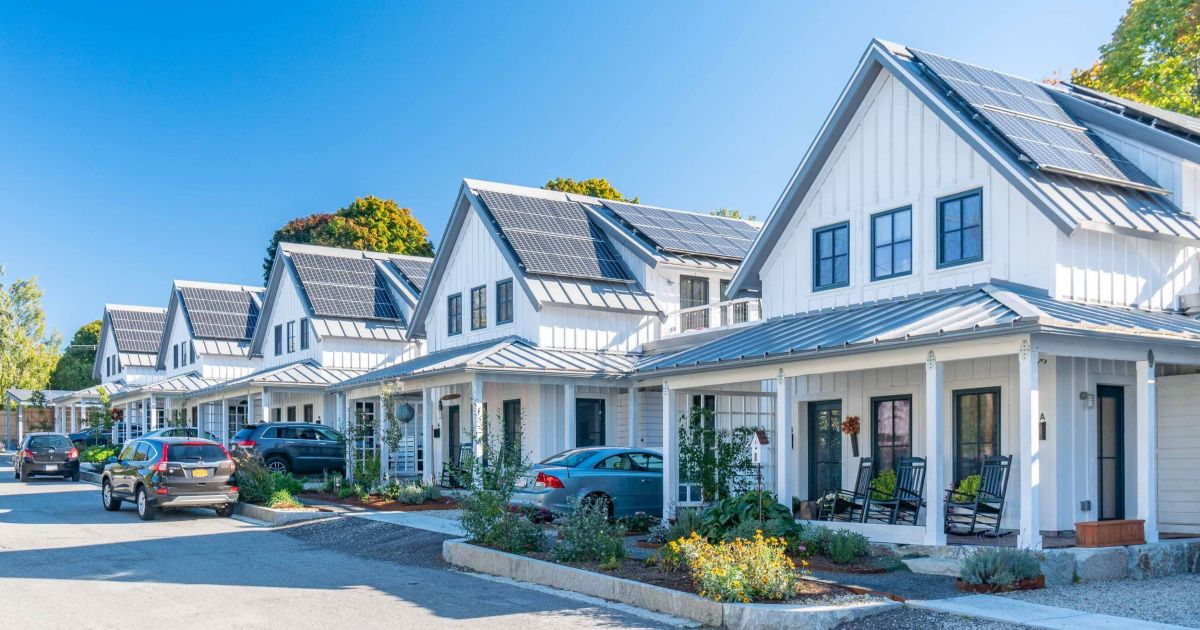
The Phius Certified Consultant (CPHC®) program trains professionals in high-performance passive building design, with more than 3,000 individuals having completed the training. Currently, over 1,700 Phius Certified Consultants actively apply their expertise in designing sustainable, energy-efficient buildings across varied climate zones, including single-family, multifamily, and commercial projects.
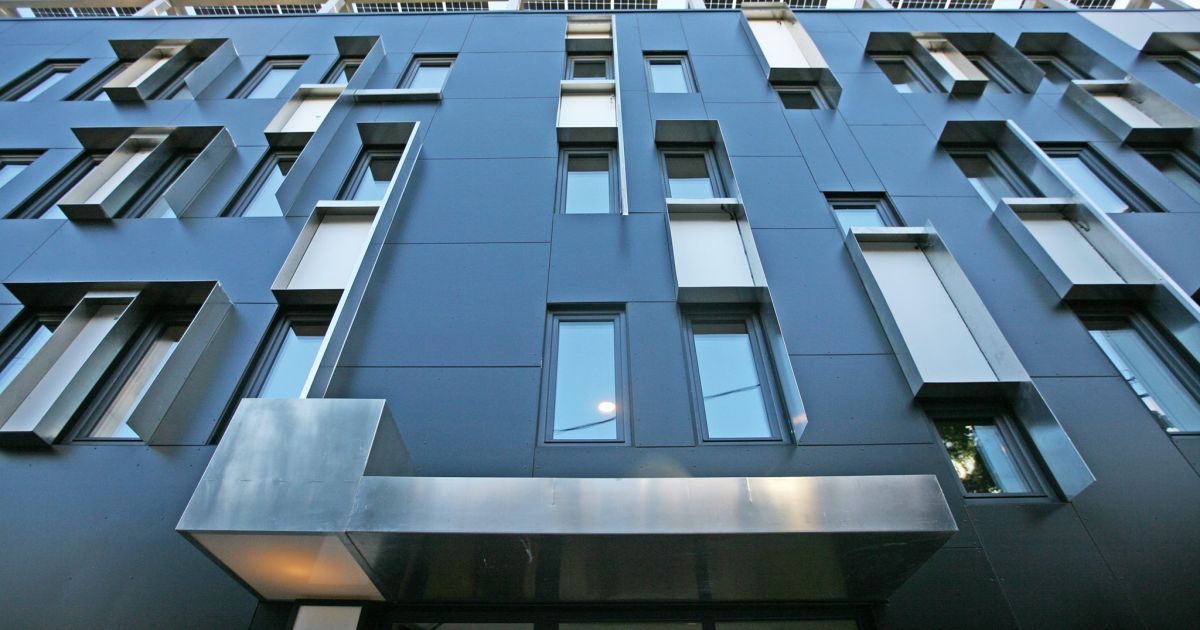
Key competencies of CPHCs include building energy modeling and understanding passive building physics, which optimize energy performance in different climates. CPHCs are skilled in high-performance building enclosures, focusing on thermal-bridge-free designs and moisture control, ensuring durability and efficiency. Their expertise extends to mechanical systems, covering balanced ventilation, heating, cooling, and domestic hot water, which are integral to passive building.
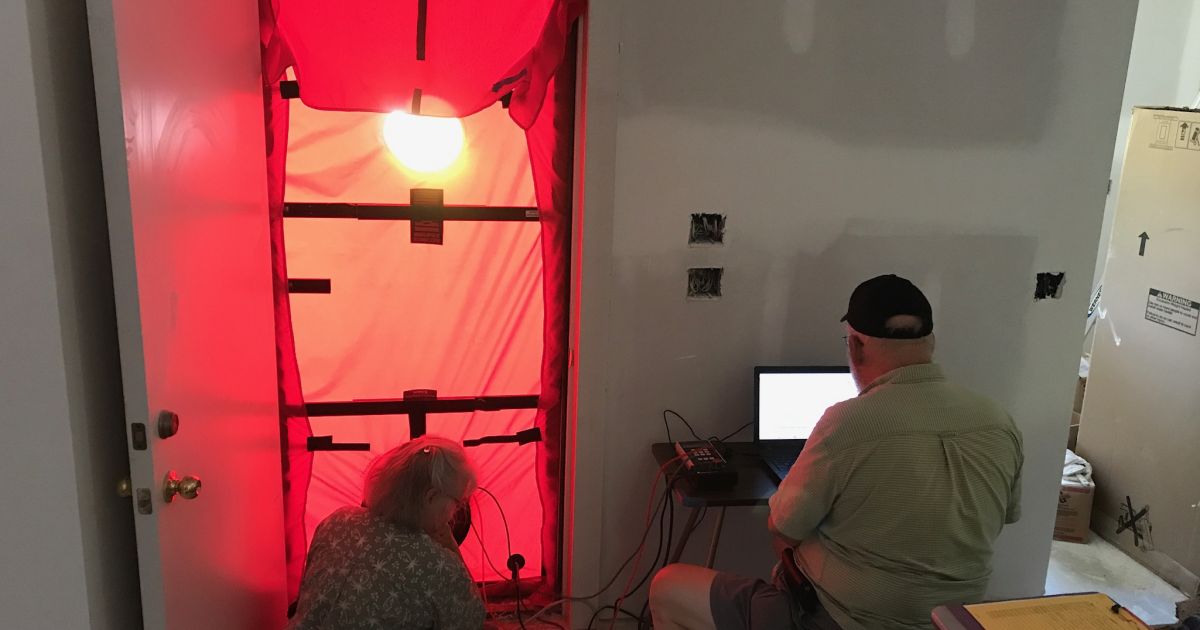
CPHCs also specialize in air-tightness detailing, a cornerstone of passive design that minimizes energy loss and enhances comfort. They are adept in creating cost-optimized, climate-specific designs that adhere to the Phius standards, ensuring projects meet the specific needs of their environments. Moreover, CPHCs provide quality assurance from the design stage through construction, ensuring compliance with Phius certification requirements.
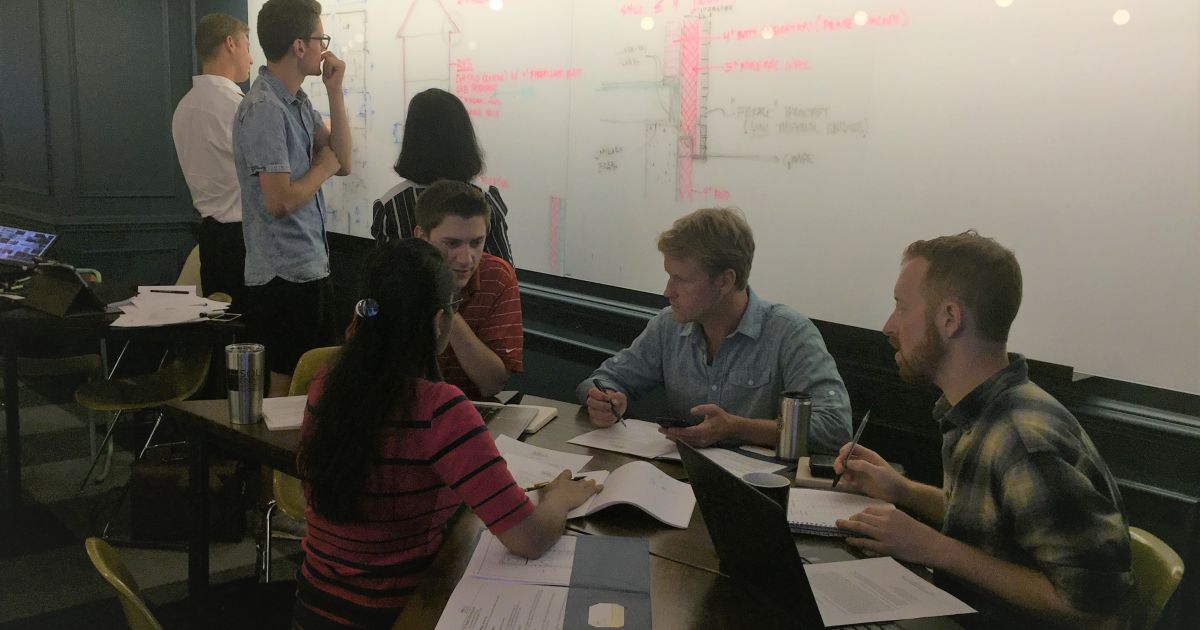
In addition, 10 universities incorporate CPHC training into their curricula, further advancing the adoption of passive building principles in architectural education. This comprehensive training empowers CPHCs to lead the net-zero and sustainable building movement, contributing to a more energy-efficient future.
Requirements & Assessment
Evidence Requirements
Candidates must complete the Phius Certified Consultant training course and pass the CPHC exam. An accelerated course pathway is available for qualifying professionals with prior passive building experience. No portfolio submission is required for the credential itself, though candidates must demonstrate competency through the examination process.
Prerequisites
Assessment Process
The CPHC exam is a proctored written examination covering passive building physics, energy modeling, high-performance enclosure and mechanical system design, air-tightness detailing, and Phius certification requirements. Candidates must complete the CPHC training course (or qualify for the accelerated track) before sitting for the exam. The exam tests applied knowledge of the Phius standard and passive building methodology across varied climate zones.
Renewal & Maintenance
CPHCs are required to maintain their credential through continuing education and periodic renewal. Phius requires credential holders to stay current with evolving passive building standards and Phius certification requirements. Specific renewal cycles and continuing education hour requirements are managed through the Phius professional credentialing system.
Continuing Education (CPE/CEU)
CPHCs are required to complete continuing education to maintain their credential. Phius offers ongoing training, webinars, and events that qualify for renewal credits. Specific hour requirements and reporting cycles are managed through the Phius credentialing portal.
Accountability Model
Consider Alternatives If...
Professionals primarily focused on code-minimum or conventional construction may find the passive building methodology overly specialized for their current practice. Those without a background in building science, architecture, or engineering may find the technical depth of the training challenging without additional foundational preparation.
Alternative Programs
Frequently Asked Questions
Quick Facts
Certification
English
2K+
Online, In-Person, Instructor-led
Available