Phius CORE Certification
Phius
Phius Core Certification ensures climate-specific, cost-efficient builds.
Renewal costs $0 USD.
Key Strengths
- Climate-specific performance targets tailored to local conditions across North America
- Bundles DOE Efficient New Homes, EPA ENERGY STAR, and Indoor airPLUS in one pathway
- 40–60% energy savings compared to code-built structures
- Rigorous third-party quality assurance via trained HERS Raters
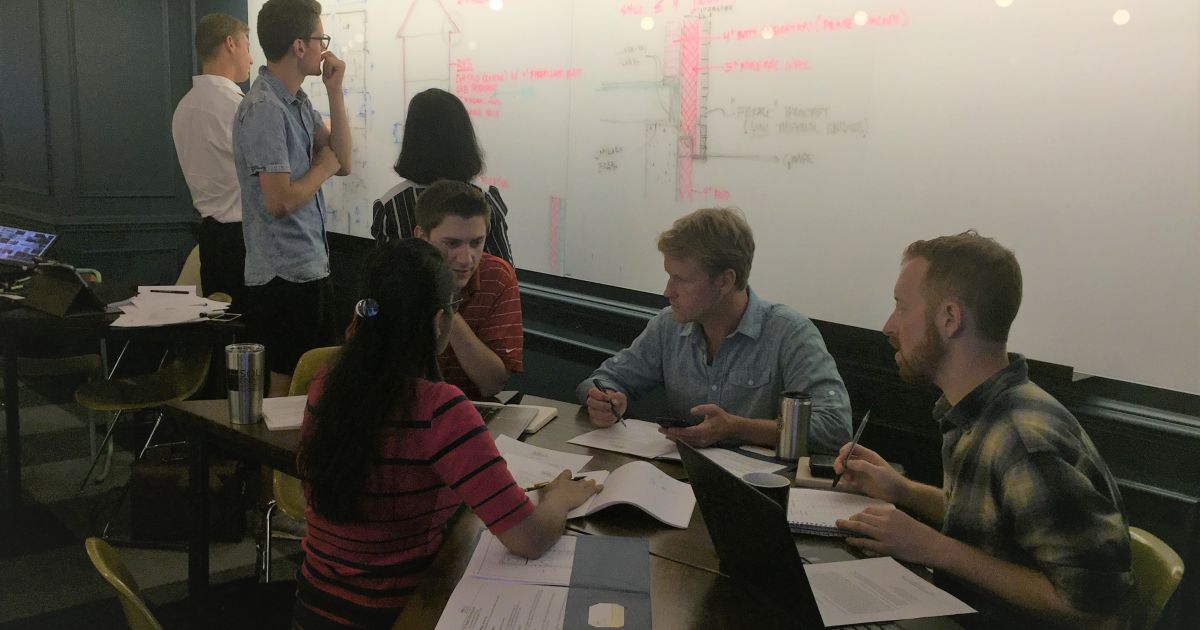
- Expert design-stage review reduces risk of costly performance failures
- RESNET HERS Index score automatically included for most projects
Ideal For
Phius CORE Certification is best suited for architects, builders, and developers working on new residential or multifamily construction projects who want to achieve high-performance, energy-efficient buildings. It is particularly valuable for teams in North American climates seeking a climate-specific passive building standard that also satisfies DOE, EPA ENERGY STAR, and Indoor airPLUS requirements in a single certification pathway.
Target Audiences
Relevant Roles
Industries
Alignment & Recognition
Accrediting Body
Building Scope
Overview
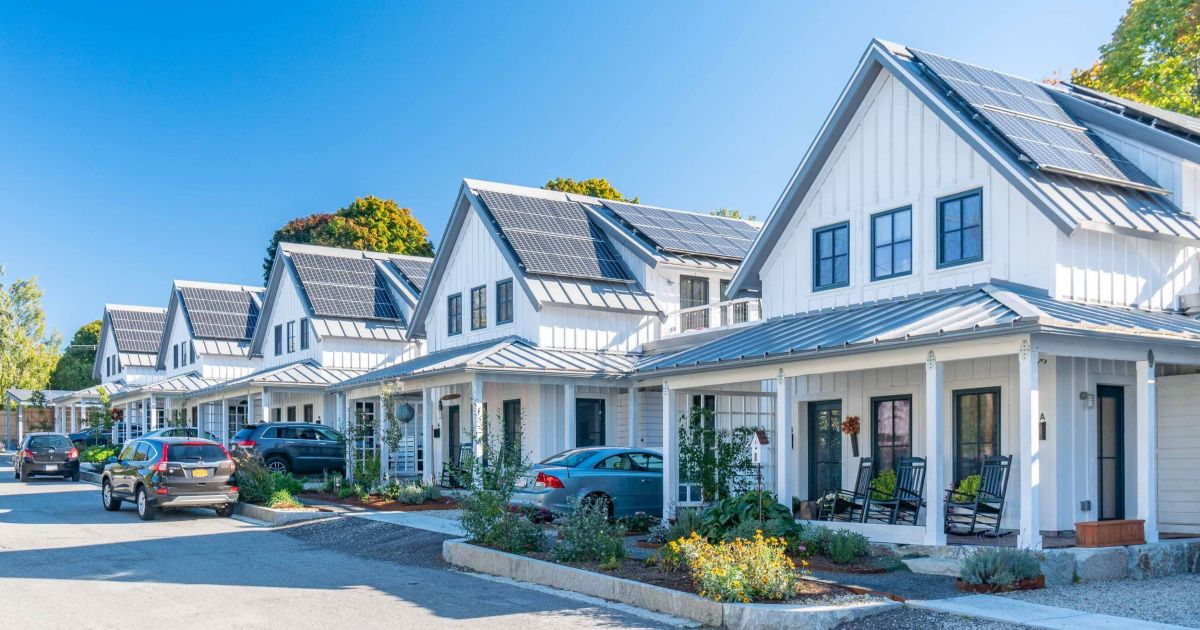
The Phius Core Certification program applies passive building principles in a way that is both climate-appropriate and cost-optimized. This certification ensures that buildings are designed to maximize energy efficiency while minimizing upfront costs, offering significant energy savings over traditional code-built structures. Phius buildings typically use 40-60% less energy than their counterparts, making them both eco-friendly and cost-effective.
A key feature of Phius is its climate-specific approach, which tailors building strategies to suit the local environment, ensuring maximum efficiency across different regions. The Phius standard also prioritizes cost-optimization, striking a balance between energy-saving measures and implementation costs to create affordable yet high-performance buildings.
Comfort and resilience are central to Phius-certified buildings. With superinsulation, efficient mechanical systems, and stringent indoor air quality requirements, these buildings offer a comfortable and healthy environment for occupants. The certification also includes rigorous third-party quality assurance to ensure that safety, durability, and resilience are built into every project, allowing buildings to withstand extreme weather events like wildfires and heatwaves. Phius’s iterative review process guides project teams through certification, ensuring that each building meets the necessary performance standards.
Phius Core Certification offers an affordable and practical way to reduce energy consumption, improve comfort, and lower a building's carbon footprint, contributing to a more sustainable future.
Requirements & Verification
Evidence Requirements
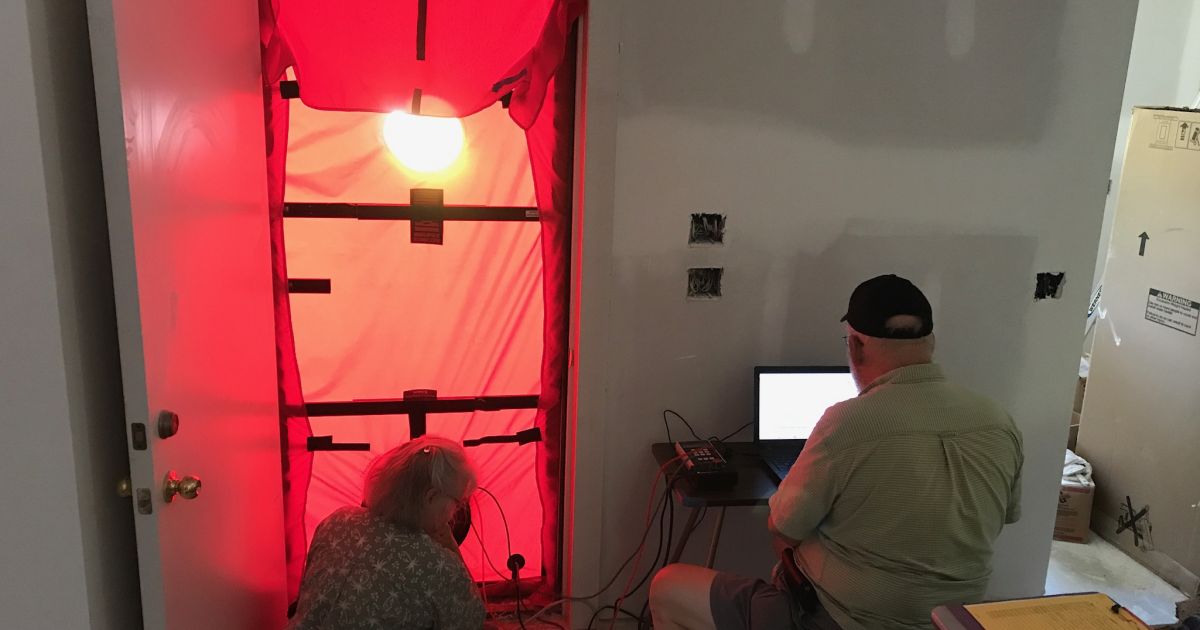
Project teams must submit design documentation for review by the Phius Certification Team, including energy modeling files meeting Phius climate-specific performance targets. On-site inspections and blower door/duct leakage testing are conducted by Phius-trained HERS Raters to verify as-built performance. Documentation supporting DOE Efficient New Homes, EPA ENERGY STAR, and Indoor airPLUS protocols must also be provided.
Prerequisites
Assessment Process
Phius CORE uses a two-stage assessment process. First, the Phius Certification Team conducts a thorough design-stage review of energy modeling and documentation to verify compliance with climate-specific performance targets. Second, Phius-trained HERS Raters perform on-site inspections and performance testing (including blower door and duct leakage tests) on the completed building to confirm as-built performance matches design intent. Both stages must be passed for certification to be awarded.
Renewal & Compliance
Phius CORE Certification is a project-level (building) certification and does not require renewal once awarded. Each new construction project must apply and be certified independently. There are no ongoing renewal fees or continuing education requirements tied to the building certification itself.
Accountability Model
Impact & Outcomes
Employer Recognition
Consider Alternatives If...
Teams working on deep retrofits of existing buildings or projects outside North America may find Phius CORE less applicable, as the standard is optimized for new construction in North American climates. Projects with very tight budgets or minimal design team capacity may also find the iterative review and third-party verification process resource-intensive.
Alternative Programs
Frequently Asked Questions
Quick Facts
Certification
English
Available