Phius Certified Verifier
Phius
Phius Verifiers ensure quality for large passive building projects.
Key Strengths
- Recognized third-party QA role in the Phius passive building certification ecosystem
- Focused on large-scale multifamily and non-residential projects — a growing market segment
- Covers advanced building science: airtightness, thermal bridges, mechanical commissioning
- Enables professionals to offer a specialized, in-demand service to project teams
- Backed by Phius, a leading North American passive building standards organization
- Practical, field-oriented competencies directly applicable to construction QA work
Ideal For
Best suited for building performance professionals — such as energy auditors, commissioning agents, and building inspectors — who have hands-on experience testing and commissioning multifamily or non-residential buildings. Ideal for those looking to expand their practice into the growing passive building market and serve as third-party quality assurance providers on large-scale Phius-certified projects.
Target Audiences
Relevant Roles
Industries
Alignment & Recognition
Accrediting Body
Scope
Overview
Phius Certified Verifiers play a critical role in ensuring on-site quality assurance for large-scale residential and non-residential passive building projects. These professionals are responsible for performing third-party inspections and performance testing throughout construction, ensuring that projects meet the design specifications certified by Phius. Their work guarantees that the buildings are constructed and operate according to high-performance standards.
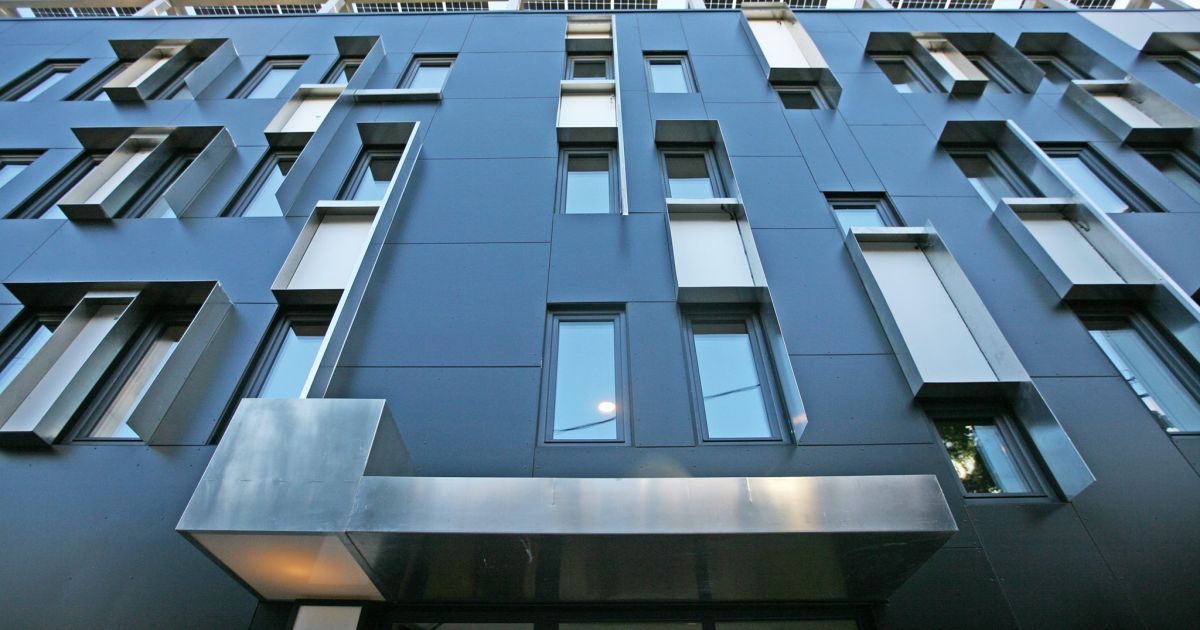
Phius Verifiers possess key competencies in building science, understanding how to control moisture, heat, and airflow to optimize comfort, energy efficiency, and air quality. They are experts in inspecting high-performance building enclosures, focusing on moisture control and thermal-bridge-free design to ensure insulation and enclosure quality.
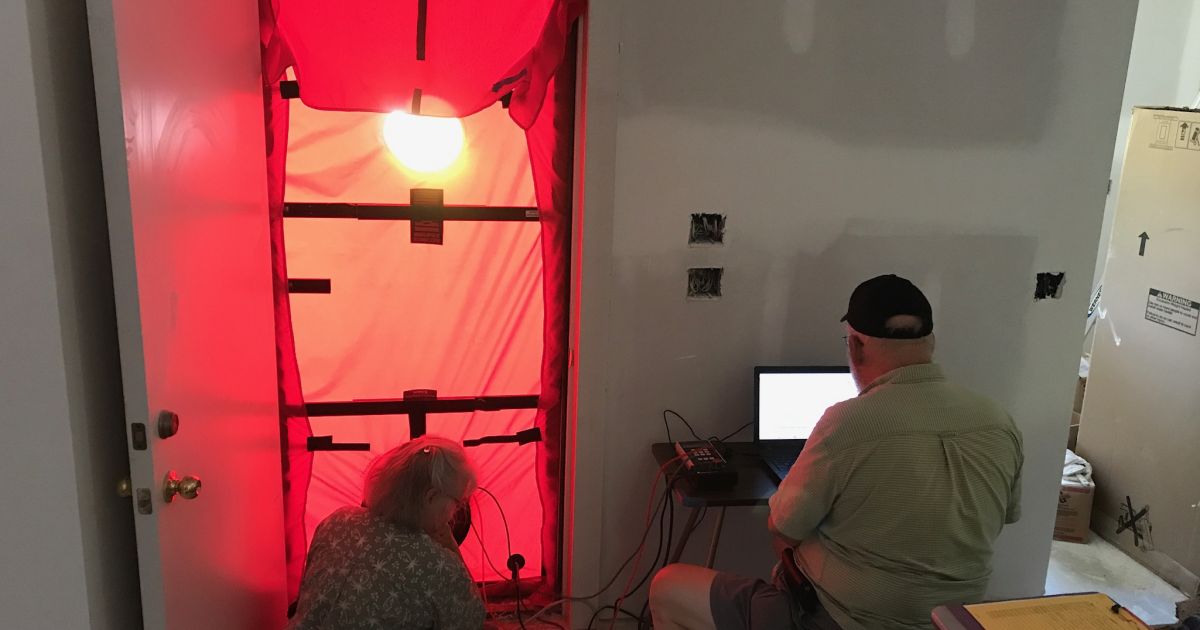
Verifiers also assess high-performance mechanical systems, such as balanced ventilation, heating, cooling, and domestic hot water, ensuring systems are properly commissioned and tested for peak performance. A critical part of their work involves understanding large building airtightness testing strategies, ensuring airtight enclosures are maintained, which is essential for passive building design.
Furthermore, Phius Verifiers are deeply familiar with Phius certification requirements, ensuring that all mandatory inspections are completed and that the project meets every required benchmark. They are also well-versed in the co-requisite programs that provide the foundation for Phius' quality assurance in non-residential and multifamily projects.
Phius Certified Verifiers are essential for delivering quality-controlled, energy-efficient buildings that meet the rigorous standards of the Phius certification program.
Requirements & Assessment
Evidence Requirements
Candidates must complete the Phius Certified Verifier training program and pass the associated exam. Demonstrated experience in testing and commissioning multifamily or non-residential buildings is expected as a prerequisite. Candidates must show competency across key areas including building science, high-performance enclosures, mechanical systems, airtightness testing, and Phius certification requirements.
Prerequisites
Assessment Process
Candidates complete the Phius Certified Verifier training program (instructor-led, typically multi-day) and then sit for a written exam covering building science, high-performance enclosures, mechanical systems commissioning, large-building airtightness testing strategies, and Phius certification requirements. The exam is administered as part of or following the training course. Specific question count, passing score, and retake policies should be confirmed via the Phius Certified Verifier Exam page on the Phius website.
Renewal & Maintenance
Accountability Model
Impact & Outcomes
Employer Recognition
Consider Alternatives If...
Professionals primarily focused on single-family residential projects or those without prior experience in building performance testing and commissioning may find this credential premature. Those seeking a general green building credential rather than a specialized passive building QA role should consider broader alternatives like LEED AP or BPI certifications.
Alternative Programs
How to Get CertifiedAI-synthesized
- Confirm eligibility: Review the Phius Certified Verifier program prerequisites — the training is geared toward professionals with hands-on experience testing and commissioning multifamily or non-residential buildings (e.g., energy auditors, commissioning agents, building inspectors).
- Review the Verifier Manual: Download and study the Phius Certified Verifier Manual from the Phius website to understand the scope of competencies, inspection protocols, and certification requirements you'll be tested on.
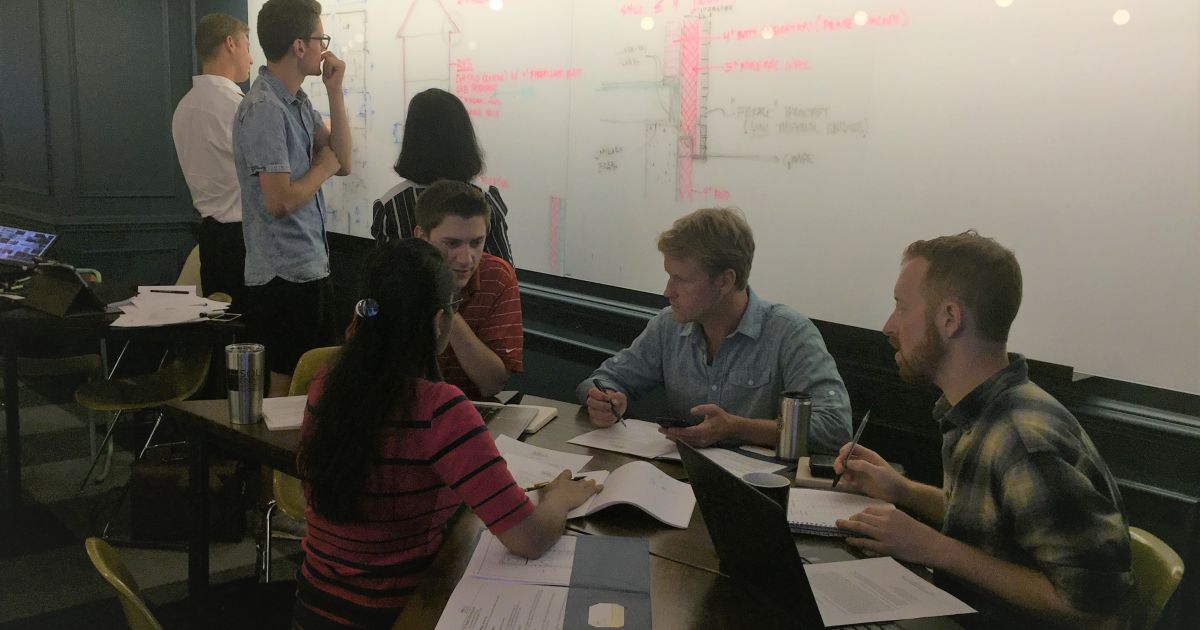
- Register for a training course: Check the Phius Certified Verifier Training Schedule on phius.org and register for an upcoming instructor-led training session. These are typically multi-day, in-person courses offered periodically throughout the year.
- Complete the training program: Attend the full multi-day instructor-led training covering building science, high-performance enclosures, mechanical systems commissioning, large-building airtightness testing, and Phius certification requirements.
- Sit for the written exam: Following the training, complete the Phius Certified Verifier written exam. Review the Phius Certified Verifier Exam page for current details on format, passing score, and retake policies.
- Submit your application and pay fees: Complete the credential application through Phius and pay the associated certification fee to formally earn the Phius Certified Verifier designation.
- Get listed in the Phius directory: Once certified, your name will appear in the Phius Find a Professional database, making you discoverable to project teams seeking a qualified Verifier.
- Maintain your credential: Complete required continuing education and renew your credential on the Phius renewal cycle to stay current with evolving Phius standards.
What the Exam CoversAI-synthesized
The Phius Certified Verifier exam and training assess competency across five core knowledge domains directly tied to the Verifier's on-site QA role:
Building Science Fundamentals: Candidates must demonstrate understanding of how moisture, heat, and airflow interact in high-performance buildings. This includes psychrometrics, thermal dynamics, and how passive building design principles address comfort, durability, energy efficiency, and indoor air quality.
High-Performance Building Enclosures: This domain covers moisture control strategies, thermal-bridge-free design, and insulation quality inspection. Verifiers must be able to inspect the building enclosure in the field, identify deficiencies, and verify that construction matches the design specifications certified by Phius.
High-Performance Mechanical Systems: Candidates are assessed on their ability to commission and test balanced ventilation systems (ERV/HRV), high-efficiency heating and cooling equipment, and domestic hot water systems. Understanding of system performance verification and documentation is required.
Large Building Airtightness Testing Strategies: A cornerstone of passive building, airtightness testing for large multifamily and commercial buildings requires specialized protocols distinct from single-family blower door testing. Verifiers must understand multi-zone testing strategies, how to inspect and troubleshoot the air control layer, and how to interpret results against Phius thresholds.
Phius Certification Requirements and Co-Requisite Programs: Candidates must have a thorough understanding of all mandatory inspectable requirements within the Phius certification framework, including the co-requisite third-party programs (such as ENERGY STAR Multifamily or equivalent) that form the foundation of Phius' QA requirements for non-residential and multifamily projects.
Market Context & AdoptionAI-synthesized
Phius (Passive House Institute US) is the leading passive building standards organization in North America, and the Phius Certified Verifier credential is the primary third-party QA qualification recognized within the Phius certification ecosystem. As passive building adoption grows — driven by energy codes tightening, decarbonization mandates, and the expansion of Phius-certified affordable housing projects — demand for qualified Verifiers has grown steadily. The credential is relatively niche but highly valued within its specific market: large-scale multifamily and non-residential passive building projects.
The Phius Verifier role is distinct from the Phius Certified Passive House Consultant (CPHC), which focuses on design. Verifiers are the field-side QA professionals, making this credential particularly relevant for commissioning agents, energy auditors, and building inspectors looking to specialize. The total pool of certified Verifiers remains small — likely in the low hundreds — which creates both scarcity value and a genuine market opportunity for professionals who earn the credential.
Internationally, the Passive House Institute (PHI) in Germany operates a parallel credentialing system through its Certified Passive House Verifier program, which is more widely recognized in Europe. In North America, Phius credentials are the dominant standard. Competition from RESNET HERS Raters and BPI Building Analysts exists at the single-family level, but neither credential addresses the large-building QA niche that Phius Verifiers occupy. The growing pipeline of Phius-certified multifamily projects — particularly in affordable housing — is a strong tailwind for this credential's relevance through the late 2020s.
History & EvolutionAI-synthesized
Phius (originally the Passive House Institute US) was founded in 2003 and began developing its own North American passive building standard — distinct from the European Passive House Institute (PHI) standard — in the late 2000s. The Phius+ certification program, which introduced climate-specific passive building criteria tailored to North America's diverse climate zones, was formally launched around 2012–2015. As the Phius project certification program matured and expanded into large multifamily and non-residential buildings, the need for a specialized third-party field verification credential became clear.
The Phius Certified Verifier program was developed to fill this gap, creating a qualified professional class capable of performing on-site inspections and performance testing on large passive building projects. The credential is closely tied to the evolution of Phius' quality assurance framework, which incorporated co-requisite programs (such as ENERGY STAR Multifamily) to build a comprehensive QA system for complex building types. The program has grown alongside the broader passive building movement in North America, with Phius-certified projects increasingly appearing in affordable housing, institutional, and commercial sectors.
Frequently Asked Questions
Quick Facts
Certification
English
In-Person, Instructor-led
Available