Phius ZERO Certification
Phius
Phius ZERO ensures operational carbon neutrality via renewables
Renewal costs $0 USD.
Key Strengths
- Builds on rigorous Phius CORE passive building standard for verified energy performance
- Achieves operational carbon neutrality through on-site or off-site renewable energy
- Climate-specific performance targets tailored to each project's location
- Integrates co-requisite programs (ENERGY STAR, EPA Indoor airPLUS, DOE Zero Energy Ready Home)
- Emphasizes occupant health with superb indoor air quality as a prerequisite
- Supports energy resilience and thermal comfort during grid outages
Ideal For
Phius ZERO is best suited for architects, developers, and building owners who want to achieve operational carbon neutrality and net-zero energy performance in new construction or deep retrofit projects. It is ideal for those already familiar with or pursuing Phius CORE certification who want to take the next step toward full renewable energy offset and long-term energy independence.
Target Audiences
Relevant Roles
Industries
Alignment & Recognition
Accrediting Body
Building Scope
Overview
Phius ZERO Certification builds on the Phius CORE standard by achieving operational carbon neutrality through the use of renewable energy. While meeting all the stringent requirements of Phius CORE, Phius ZERO goes further by offsetting all remaining energy consumption on an annual basis. This is accomplished through on-site or off-site renewable energy, allowing buildings to operate with zero net energy use over the year.
The Phius ZERO standard ensures that buildings achieve energy independence by generating as much energy as they consume, thus providing operational carbon neutrality. This means the projects not only minimize energy consumption through passive design and efficient systems but also eliminate operational carbon emissions, contributing to significant environmental benefits.
Just like Phius CORE, Phius ZERO emphasizes climate-specific design, cost-optimization, and quality assurance. Certified buildings are designed to be highly energy-efficient, comfortable, durable, and resilient. They also feature superior indoor air quality, making them healthier for occupants.
By pushing beyond basic energy conservation to fully offset energy use, Phius ZERO-certified buildings are ideal for organizations and individuals aiming to reduce their carbon footprint and move toward long-term energy sustainability. In addition to being carbon-neutral, Phius ZERO-certified projects are designed to withstand future energy challenges and offer potential for energy independence, supporting a greener, more resilient future.
Requirements & Verification
Evidence Requirements
Projects must demonstrate compliance with all Phius CORE space conditioning load limits and source energy use limits, with net source energy at or below 0. Documentation must include energy modeling using Phius-approved tools, verification of on-site or off-site renewable energy offsets, and third-party inspection reports. Residential projects must also meet co-requisite program requirements such as ENERGY STAR, EPA Indoor airPLUS, and DOE Zero Energy Ready Home.
Prerequisites
Assessment Process
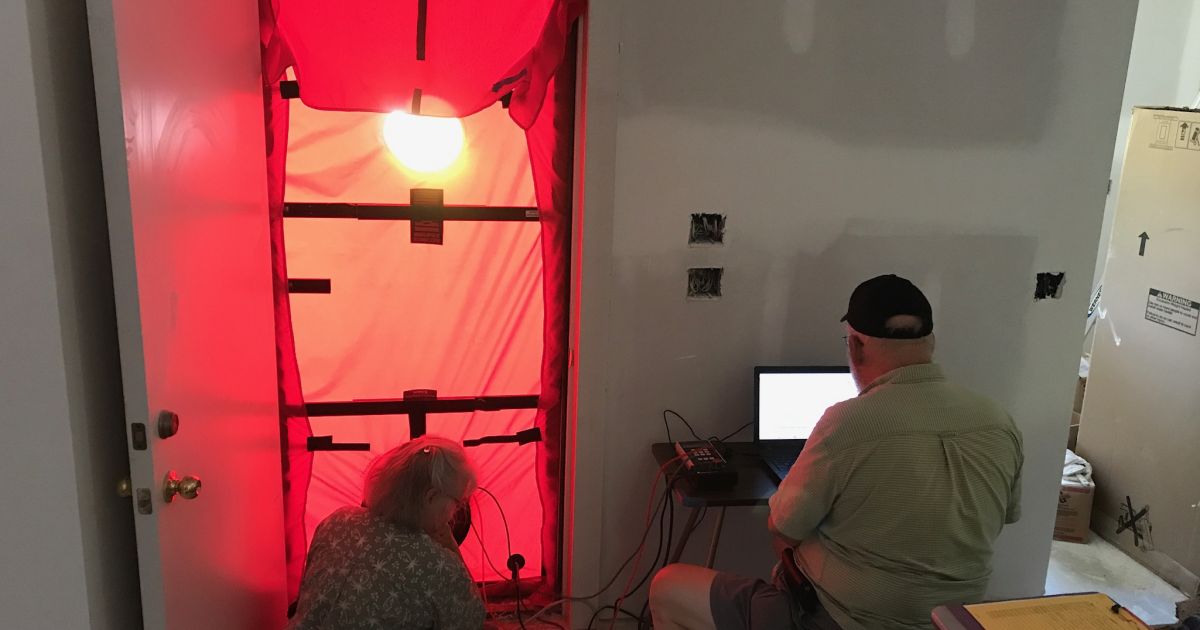
There is no written exam. Certification is awarded through a documentation review and third-party verification process. Project teams submit energy models, construction drawings, and compliance documentation to Phius-approved verifiers who conduct on-site inspections and review records to confirm compliance with all Phius CORE load limits and the net source energy limit of 0 for ZERO certification.
Renewal & Compliance
Phius building certifications are tied to the constructed project and do not typically require periodic renewal once awarded. Ongoing compliance is maintained through the original third-party verification process. Any changes to building systems or energy sources may require re-evaluation.
Accountability Model
Impact & Outcomes
Employer Recognition
Consider Alternatives If...
Consider alternatives if your project cannot meet the stringent Phius CORE energy load limits as a prerequisite, or if your budget does not support renewable energy integration. Projects in regions with limited access to off-site renewable energy procurement may also find compliance challenging.
Alternative Programs
How to Get StartedAI-synthesized
- Confirm project eligibility: Determine whether your project is residential or commercial, and verify it can meet Phius CORE space conditioning load limits as a prerequisite for ZERO certification.
- Calculate project-specific targets: Use the Phius 2021 Performance Criteria Calculator to determine your project's climate-specific heating and cooling load limits and source energy use targets.
- Engage a Phius Certified Consultant or Rater: Hire a Phius-credentialed professional to guide energy modeling, design optimization, and documentation preparation throughout the project.
- Design for passive performance: Work with your design team to meet Phius CORE load limits through envelope optimization, airtightness, mechanical ventilation, and thermal bridge-free detailing.
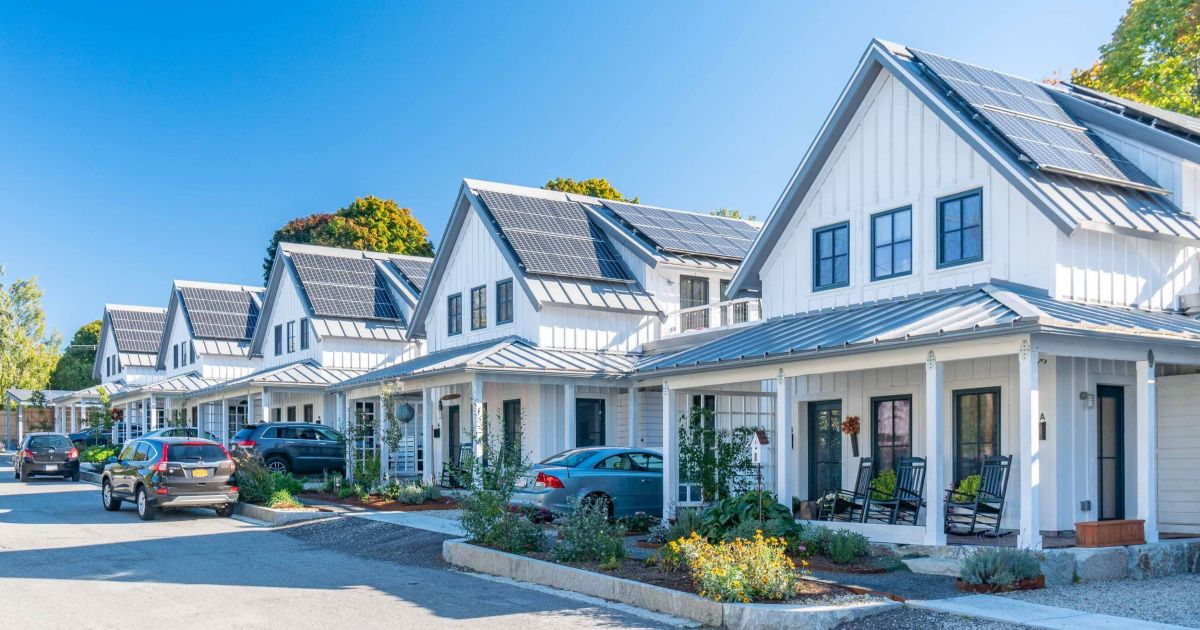
- Plan renewable energy strategy: Identify on-site (e.g., rooftop PV) or off-site (e.g., renewable energy credits, community solar) renewable energy sources sufficient to offset all remaining source energy use to net zero.
- Meet co-requisite program requirements (residential projects): Ensure compliance with ENERGY STAR, EPA Indoor airPLUS, and DOE Zero Energy Ready Home as required baseline quality frameworks.
- Submit documentation to Phius: Provide energy models, construction drawings, renewable energy documentation, and compliance reports to Phius for review.
- Complete third-party verification: A Phius-approved verifier conducts on-site inspections and reviews records to confirm compliance; upon successful verification, Phius ZERO certification is awarded.
What Gets EvaluatedAI-synthesized
Phius ZERO certification evaluates buildings across three primary performance pillars, all of which must be satisfied simultaneously.
1. Space Conditioning Load Limits (Phius CORE prerequisite): Projects must meet climate-specific annual and peak heating and cooling load limits calculated using the Phius 2021 Performance Criteria Calculator. Peak load limits ensure thermal resilience and right-sized mechanical systems; annual load limits ensure low operating costs. These targets vary by location and building type, making them project-specific rather than universal thresholds.
2. Source Energy Use Limit (Net Zero requirement): Phius uses source energy — which accounts for upstream losses in energy extraction, production, and transmission — as its primary energy metric. For Phius ZERO, the net source energy use must be at or below 0 on an annual basis. On-site renewable energy (e.g., rooftop photovoltaics) and off-site renewable energy (e.g., community solar, renewable energy credits) both qualify, though on-site generation is weighted more heavily in the accounting methodology.
3. Co-Requisite Program Compliance (residential projects): Residential projects must simultaneously satisfy ENERGY STAR Certified Homes, EPA Indoor airPLUS, and DOE Zero Energy Ready Home requirements. These programs establish baseline quality standards for construction inspection, indoor air quality, and energy readiness, ensuring that Phius ZERO buildings are healthy, durable, and grid-ready.
Third-party verification confirms all three pillars through documentation review (energy models, construction drawings, renewable energy contracts) and on-site inspection by a Phius-approved verifier.
Market Context & AdoptionAI-synthesized
Phius ZERO sits at the premium tier of the North American green building certification landscape, targeting projects that go beyond energy efficiency to achieve full operational carbon neutrality. It is closely associated with the passive building movement, which has grown substantially in the U.S. and Canada over the past decade. Phius (formerly the Passive House Institute US) is the dominant passive building certification body in North America, with thousands of certified projects and a well-established network of certified consultants and raters. Phius ZERO represents the top rung of the Phius certification ladder, above Phius CORE, and is positioned as the pathway for projects seeking net-zero energy status under a rigorous, performance-based framework.
In the broader net-zero building market, Phius ZERO competes with LEED Zero Energy, the Living Building Challenge Zero Energy Petal, and DOE Zero Energy Ready Home. Compared to LEED Zero, Phius ZERO is considered more technically rigorous due to its climate-specific load limits and passive building prerequisites. Compared to the Living Building Challenge, it is more accessible and cost-feasible for mainstream residential and multifamily projects. DOE Zero Energy Ready Home is a common co-requisite rather than a true competitor, as residential Phius ZERO projects must also meet ZERH requirements.
Demand for Phius ZERO certification is growing in tandem with state and local building code evolution toward stretch energy codes, net-zero mandates, and embodied carbon regulations — particularly in states like California, Massachusetts, New York, and Washington. The certification is also gaining traction in affordable housing, where federal and state incentives (including IRA tax credits for clean energy) are making renewable energy integration more financially viable. However, adoption remains concentrated among mission-driven developers, high-performance building specialists, and sustainability-focused architects rather than mainstream construction.
History & EvolutionAI-synthesized
Phius (Passive House Institute US) was founded in 2003 as the North American affiliate of the German Passive House Institute, with a mission to adapt European passive building science to the diverse climate conditions of the United States and Canada. The organization developed its own climate-specific performance criteria — diverging from the single-threshold European standard — and launched the Phius CORE certification to reflect this approach. As the net-zero energy building movement gained momentum in the 2010s, Phius developed Phius ZERO as a logical extension of CORE, adding the requirement that all remaining source energy use be offset by renewable energy on an annual basis.
Phius ZERO was formalized as a distinct certification tier around 2018, aligning with the broader industry push toward net-zero and zero-carbon buildings. The program was updated with the release of the Phius 2021 standard, which refined performance criteria and introduced the REVIVE pathway for existing buildings. Phius ZERO has since become one of the most technically credible net-zero building certifications in North America, recognized by the U.S. Department of Energy and integrated with federal programs such as DOE Zero Energy Ready Home and EPA Indoor airPLUS.
Frequently Asked Questions
Quick Facts
Certification
English
Available